Kolkata Photo Fort


Explore the Rich Legacy and Military Might of Kolkata's Iconic Fortress, Witness to Centuries of History and Triumphs

Find Out More

About Kolkata Photo Fort


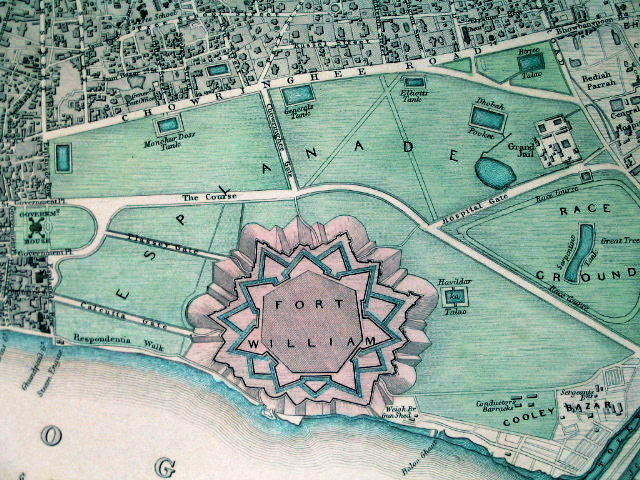
Fort William is a historic military fortress located in Kolkata (Calcutta), India. It was built during the colonial era by the British East India Company and completed in 1781. The fort is situated on the eastern bank of the Hooghly River and was named after King William III of England.

Get Started!

Key points about Kolkata Photo Fort:


Purpose and Construction:

Fort William was constructed to protect the British interests in Bengal from external threats, particularly during the period of the Nawab of Bengal, Siraj-ud-Daulah.

History:

The fort played a significant role during the Battle of Plassey in 1757, a decisive conflict in the history of British India that established British control in Bengal.

Architecture:

The architecture of Fort William reflects a blend of European and Indian styles. The structure includes European classical elements, but with adaptations to suit the local climate.

Current Use:

Today, Fort William serves as the headquarters of the Eastern Command of the Indian Army. It houses various army units and administrative offices.
Amazing Kolkata Photo Fort


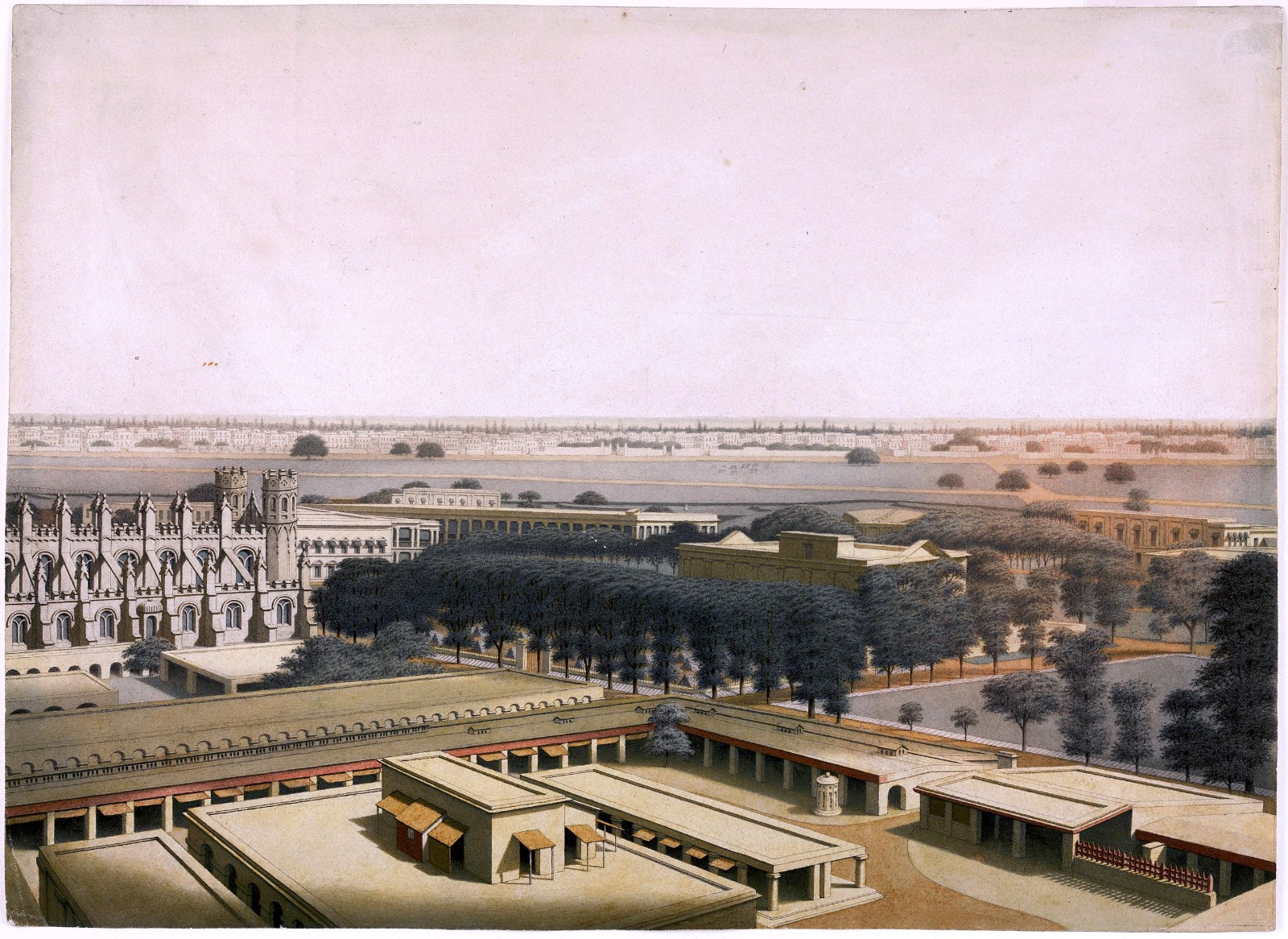
In the bustling city of Kolkata, there exist two Fort Williams. The inaugural fort, commissioned by the British East India Company in 1696 under Sir John Goldsborough's directive and granted permission by Mughal Emperor Aurangzeb, stands as a testament to a decade of construction. Along the Hooghly River's bank, Sir Charles Eyre initiated the building process, culminating in the completion of the South-East Bastion and adjacent walls. Named after King William III in 1700, the fort's development included the addition of the North-East Bastion by John Beard in 1701 and the construction of the Government House at the fort's center in 1702, with construction concluding in 1706.

In 1756, during a tumultuous period, the Nawab of Bengal, Siraj Ud Daulah, attacked Fort William, temporarily seizing the city and renaming it Alinagar. In response, the British erected a new fort in the expansive Maidan. Post the Battle of Plassey in 1757, Robert Clive commenced the reconstruction of Fort William in 1758, completing it in 1781 at a staggering cost of approximately two million pounds. The surrounding area was cleared, transforming the Maidan into "the Lungs of Kolkata," stretching around 3 km north–south and spanning approximately 1 km wide. Notably, the Indian Ordnance Factories' headquarters was established at Fort William in 1775.

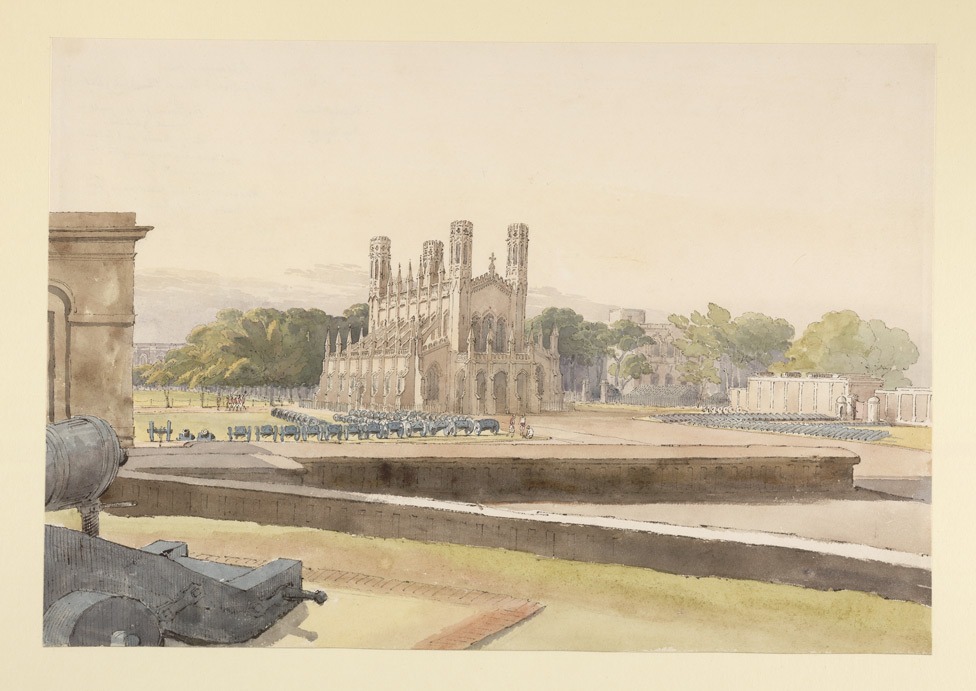
Presently, Fort William stands as the prized possession of the Indian Army, housing the Eastern Command headquarters, accommodating up to 10,000 army personnel. Guarded vigilantly by the military, civilian access is restricted. While much of Fort William remains unaltered, St Peter's Church, once a chaplaincy center for British citizens, has transformed into a library for the troops of HQ Eastern Command.

As a poignant homage, a war memorial graces the fort's entrance, alongside a museum exhibiting artifacts from the Indo-Pakistani War of 1971, particularly those linked to the battles in the Eastern sector and the Bangladesh Liberation War. Explore the rich history and architectural splendor of Kolkata's Fort William through captivating photos, showcasing its enduring legacy and the military prowess embedded within its walls.